
Old Photo Restoration AI: Bring Your Vintage Memories Back to Life
Vintage photographs hold immeasurable sentimental value, capturing precious moments from decades past. However, time takes its toll on these treasured memories through fading, scratches, tears, and discoloration. Traditional photo restoration required expensive professional services and weeks of manual work. Today, AI-powered restoration tools can breathe new life into your old photographs in minutes, not weeks.
The Challenge of Aging Photographs
Old photographs face numerous forms of degradation that can make them difficult to view or preserve:
Fading and Discoloration: Over time, photographic chemicals break down, causing images to fade or develop color casts. Sepia tones may become too pronounced, or colors may shift dramatically from their original appearance.
Physical Damage: Years of handling, storage, and environmental exposure can cause tears, creases, scratches, and stains. These physical imperfections often obscure important details or faces in family photos.
Chemical Deterioration: The photographic emulsion itself can deteriorate, creating spots, patches, or areas where the image has completely disappeared.
Environmental Damage: Exposure to humidity, heat, and light can accelerate deterioration. Water damage from floods or leaks can cause additional staining and warping.
How AI Old Photo Restoration Works
Modern AI restoration technology uses sophisticated machine learning algorithms trained on millions of photograph pairs to understand how to reverse various types of damage:
Damage Detection: AI systems can automatically identify different types of damage, from small scratches to large tears, allowing for targeted restoration approaches.
Pattern Completion: When parts of a photo are missing or severely damaged, AI can intelligently fill in the gaps by analyzing surrounding patterns and textures.
Color Restoration: Advanced algorithms can estimate and restore original colors, even from severely faded or discolored photographs.
Noise Reduction: AI can distinguish between image detail and degradation artifacts, removing unwanted noise while preserving important image information.
Benefits of AI-Powered Restoration
The advantages of using AI for old photo restoration are transformative:
Accessibility: Professional photo restoration services can cost hundreds of dollars per image. AI tools make restoration accessible to everyone at a fraction of the cost.
Speed: What once took skilled artisans days or weeks can now be accomplished in minutes with AI technology.
Non-Destructive: Digital restoration preserves your original photographs while creating enhanced versions, ensuring your originals remain safe.
Consistency: AI provides consistent results across multiple images, making it ideal for restoring entire photo albums or collections.
Learning Capability: AI systems continuously improve, getting better at handling various types of damage as they process more images.
Step-by-Step Guide to Using RestoreAI's Old Photo Restoration
RestoreAI's Old Photo Restoration tool makes the restoration process simple and effective:
Step 1: Digitize Your Photo
If your photo isn't already digital, scan it at high resolution (at least 300 DPI) to capture all available detail.
Step 2: Upload to RestoreAI
Navigate to our Old Photo Restoration tool and upload your scanned image. The system accepts various formats including JPEG, PNG, and TIFF.
Step 3: AI Analysis
Our advanced AI analyzes your photo to identify types of damage, areas needing restoration, and the best approach for enhancement.
Step 4: Automatic Restoration
The AI applies appropriate restoration techniques, including scratch removal, color correction, and detail enhancement.
Step 5: Review and Refine
Use our before/after comparison tool to review the results. If needed, you can apply additional enhancements using our other tools.
Step 6: Download and Preserve
Download your restored image in high resolution for printing or digital archiving.
Types of Damage AI Can Address
Modern AI restoration tools can handle a wide variety of photographic damage:
Scratches and Scuffs: Surface damage from handling can be intelligently removed while preserving underlying image detail.
Tears and Missing Pieces: AI can reconstruct missing areas by analyzing surrounding textures and patterns.
Fading and Color Loss: Algorithms can estimate and restore original colors and contrast levels.
Stains and Spots: Water damage, chemical stains, and age spots can be identified and removed.
Grain and Noise: Photographic grain from old film can be reduced while maintaining image sharpness.
Best Practices for Photo Restoration
To achieve the best results when restoring old photos:
Scan at High Resolution: Use the highest resolution possible when digitizing your photos. More detail in the original scan means better restoration results.
Clean Physical Photos First: Gently remove dust and debris from the original photo before scanning, but avoid using liquids or abrasive materials.
Work with Multiple Copies: Always keep your original scan unchanged and work with copies for restoration attempts.
Consider Professional Scanning: For extremely valuable or fragile photos, consider professional scanning services that specialize in archival digitization.
Combine AI with Manual Touch-ups: For photos with sentimental value, consider using AI restoration as a starting point and adding manual refinements if needed.
Preserving Family History
Old photo restoration is about more than just improving image quality – it's about preserving family history and cultural heritage:
Generational Stories: Restored photos can help tell family stories to younger generations who may never have seen clear versions of these images.
Historical Documentation: Old photographs serve as historical documents, and restoration helps preserve this visual history for future study.
Emotional Connection: Clear, vibrant photos create stronger emotional connections to our past and our ancestors.
Digital Archiving: Restored digital copies ensure that family memories can be easily shared and preserved across multiple backup systems.
Advanced Restoration Techniques
Modern AI restoration goes beyond basic repair to include sophisticated enhancements:
Facial Enhancement: Specialized algorithms can improve clarity and detail in faces, making it easier to recognize and connect with ancestors.
Background Reconstruction: When backgrounds are severely damaged, AI can intelligently rebuild them based on visible clues and historical context.
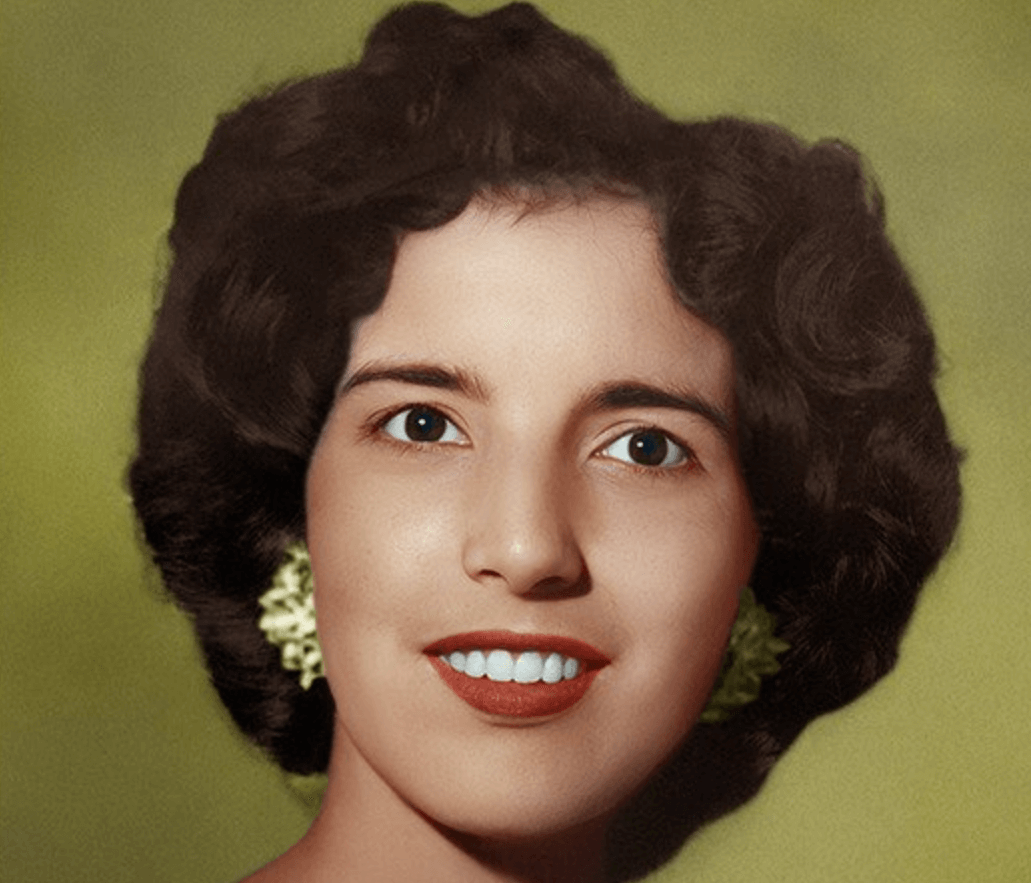
Color Historicization: For black and white photos, AI can add historically accurate colors based on the time period and context of the image.
Resolution Enhancement: Combined with upscaling technology, restoration can create larger, more detailed versions suitable for printing.
Common Restoration Challenges
While AI has made photo restoration more accessible, some challenges require special attention:
Extremely Damaged Photos: Photos with more than 50% damage may require multiple restoration passes or combination with other enhancement tools.
Multiple Damage Types: Photos with both physical damage and severe fading may benefit from addressing each issue separately.
Historical Accuracy: When restoring historical photos, consider whether enhancements maintain the authentic character of the original era.
Sentimental vs. Technical Quality: Sometimes the "imperfections" in old photos are part of their charm and historical significance.
The Future of Photo Restoration
AI restoration technology continues to evolve rapidly:
3D Restoration: Future tools may be able to restore depth and dimensional information from flat photographs.
Video Restoration: Similar techniques are being applied to restore old film footage and home movies.
Automated Colorization: More sophisticated color restoration that considers historical context and accuracy.
Predictive Restoration: AI that can predict and prevent future deterioration in digital archives.
Conclusion
AI-powered old photo restoration has democratized the preservation of family memories and historical photographs. Tools like RestoreAI's Old Photo Restoration make it possible for anyone to rescue treasured photographs that seemed beyond repair.
Whether you're preserving family history, working on a genealogy project, or simply want to see your ancestors' faces with newfound clarity, AI restoration offers an accessible and effective solution. The technology continues to improve, making it an exciting time for anyone interested in preserving photographic heritage.
Don't let time erase your precious memories. Try RestoreAI's Old Photo Restoration tool today and discover how AI can bring your vintage photographs back to life with stunning clarity and detail.