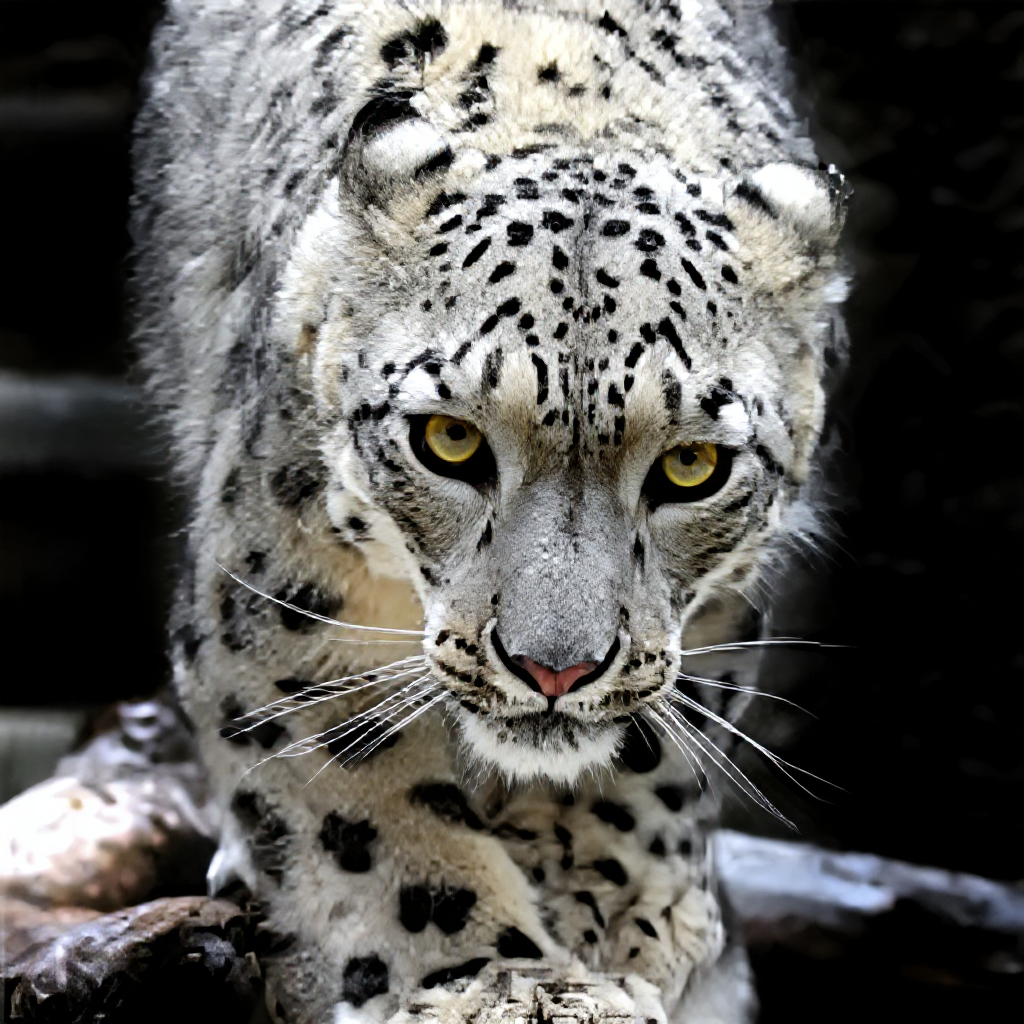

Background Enhancement AI: Make Your Photos Look Professional
The background of a photograph can make or break the entire composition. In 2025, AI-powered background enhancement has revolutionized how photographers, content creators, and everyday users can transform ordinary photos into stunning, professional-quality images. Whether you're dealing with cluttered environments, poor lighting, or distracting elements, modern AI technology can intelligently analyze and enhance background elements while preserving your main subject's integrity.
This comprehensive guide explores everything you need to know about AI background enhancement, from understanding the technology behind it to mastering professional techniques that will elevate your photography to new heights.
Table of Contents
1. Understanding Background Enhancement Technology
2. The Psychology of Backgrounds in Photography
3. Types of Background Problems AI Can Solve
4. Advanced AI Enhancement Techniques
5. Professional Workflow Integration
6. Creative Applications and Artistic Effects
7. Industry-Specific Use Cases
8. Technical Best Practices
Understanding AI Background Enhancement Technology
The Science Behind Background AI Processing
AI background enhancement relies on sophisticated computer vision algorithms that can distinguish between foreground subjects and background elements with remarkable precision. These systems use advanced machine learning models trained on millions of photographs to understand compositional principles, lighting patterns, and visual aesthetics.
Semantic Segmentation: Modern AI systems can identify and classify different elements within an image, understanding what constitutes the main subject versus background elements. This pixel-level understanding allows for precise, targeted enhancements.
Depth Estimation: AI algorithms can infer three-dimensional depth information from two-dimensional images, enabling realistic blur effects, lighting adjustments, and perspective corrections that mimic professional camera techniques.
Style Transfer Networks: Advanced neural networks can apply artistic styles, lighting conditions, and compositional improvements while maintaining photographic realism.
Machine Learning Models in Background Enhancement
Convolutional Neural Networks (CNNs): These form the backbone of background analysis, processing visual information at multiple scales to identify patterns, textures, and compositional elements.
Generative Adversarial Networks (GANs): These sophisticated AI systems consist of competing neural networks that generate enhanced backgrounds while ensuring photographic realism and natural appearance.
Transformer Architectures: The latest advancement in AI, transformers can understand global context and relationships within images, leading to more coherent and aesthetically pleasing background enhancements.
The Psychology of Backgrounds in Photography
Visual Hierarchy and Composition
Understanding how viewers perceive and process images is crucial for effective background enhancement. The human visual system naturally creates hierarchies of attention, and backgrounds play a fundamental role in guiding this process.
Focal Point Creation: Effective backgrounds draw attention to the main subject rather than competing for viewer attention. AI enhancement can reduce visual clutter and create clear focal points.
Emotional Impact: Backgrounds contribute significantly to the emotional tone of an image. Warm, soft backgrounds create intimacy, while dramatic, high-contrast backgrounds convey energy and excitement.
Cultural Context: Different cultures have varying aesthetic preferences for backgrounds. AI systems are increasingly being trained to understand and respect these cultural nuances.
Professional Photography Principles
Rule of Thirds: AI can enhance backgrounds to better support compositional guidelines, creating more balanced and visually appealing images.
Color Harmony: Background enhancement can adjust color relationships to create pleasing palettes that support the overall image aesthetic.
Depth and Dimension: Creating visual separation between subject and background is essential for professional-looking results. AI can enhance this separation through various techniques.
Types of Background Problems AI Can Solve
Environmental and Compositional Issues
Cluttered Backgrounds: One of the most common problems in photography, cluttered backgrounds can distract from the main subject. AI can intelligently reduce visual complexity while maintaining realistic appearance.
Distracting Elements: Unwanted objects, signs, or people in the background can be minimized or removed entirely using AI-powered content-aware algorithms.
Poor Composition: AI can enhance backgrounds to better support compositional principles, improving overall image balance and visual flow.
Location Limitations: When shooting in less-than-ideal locations, AI can transform mundane or problematic backgrounds into more appealing environments.
Technical Photography Challenges
Lighting Inconsistencies: Uneven lighting between subject and background can create unnatural-looking images. AI can balance these lighting differences for more cohesive results.
Depth of Field Issues: When camera settings don't provide adequate background separation, AI can simulate professional depth of field effects.
Color Temperature Mismatches: Mixed lighting conditions can create color casts in backgrounds. AI can correct these inconsistencies for more natural-looking results.
Focus Problems: Backgrounds that are too sharp can compete with the main subject. AI can create appropriate blur and focus effects.
Quality and Technical Problems
Low Resolution Backgrounds: AI can enhance the quality and detail of background elements, making them suitable for high-resolution output.
Noise and Grain: Background areas often suffer from noise, especially in low-light conditions. AI can selectively reduce noise while preserving important details.
Compression Artifacts: Digital compression can create ugly artifacts in background areas. AI can eliminate these while enhancing overall background quality.
Advanced AI Enhancement Techniques
Selective Background Processing
Modern AI systems can apply different enhancement strategies to different areas of the background, ensuring optimal results for complex compositions.
Zone-Based Enhancement: AI can identify different background zones and apply appropriate enhancements to each area based on its characteristics and relationship to the main subject.
Edge-Aware Processing: Sophisticated algorithms maintain clean edges between subject and background while applying enhancements, preventing artifacts and maintaining realism.
Contextual Understanding: AI can understand the context of the scene and apply enhancements that are appropriate for the setting, whether it's a portrait session, landscape photography, or commercial shoot.
Artistic and Creative Enhancements
Style Simulation: AI can transform backgrounds to match specific artistic styles, from classic painting techniques to modern photographic aesthetics.
Mood Enhancement: Background adjustments can significantly impact the emotional tone of an image. AI can enhance mood through color grading, lighting adjustments, and atmospheric effects.
Fantasy and Surreal Effects: For creative applications, AI can create completely new backgrounds or transform existing ones into fantastical environments.
Professional-Grade Effects
Studio Lighting Simulation: AI can simulate professional studio lighting setups in background areas, creating the appearance of controlled lighting environments.
Environmental Atmosphere: Adding atmospheric effects like fog, haze, or golden hour lighting to backgrounds can dramatically improve image impact.
Seasonal and Time Adjustments: AI can modify backgrounds to suggest different times of day or seasons, enhancing storytelling potential.
Professional Workflow Integration
Photography Business Applications
Portrait Photography: Background enhancement is crucial for portrait work, where the background should complement rather than compete with the subject.
Wedding Photography: AI can enhance challenging background situations common in wedding photography, from cluttered reception venues to less-than-ideal outdoor locations.
Corporate Headshots: Professional headshots require clean, appropriate backgrounds that convey competence and professionalism.
Product Photography: E-commerce and commercial product photography benefits from clean, enhanced backgrounds that showcase products effectively.
Content Creation Workflows
Social Media Content: Content creators can enhance backgrounds to match brand aesthetics and improve engagement rates.
Marketing Materials: Commercial photography for marketing purposes requires backgrounds that support brand messaging and visual identity.
Stock Photography: Background enhancement can make stock images more versatile and appealing to potential buyers.
Event and Documentary Photography
Event Coverage: Challenging environments common in event photography can be improved through AI background enhancement.
Documentary Work: While maintaining authenticity, subtle background enhancements can improve the visual impact of documentary photography.
Journalism: Ethical background enhancement can improve image clarity and impact while maintaining journalistic integrity.
Using RestoreAI's Background Enhancer
Step-by-Step Enhancement Process
RestoreAI's Background Enhancer tool provides professional-quality background enhancement through an intuitive interface:
Step 1: Image Upload and Analysis
Upload your image and let the AI automatically analyze the composition, identifying the main subject and background elements.
Step 2: Background Segmentation
The AI creates precise masks separating foreground and background elements, ensuring targeted enhancements that don't affect your main subject.
Step 3: Enhancement Application
Choose from various enhancement options or let the AI automatically apply optimal improvements based on the image characteristics.
Step 4: Fine-Tuning and Refinement
Adjust enhancement strength and specific parameters to achieve your desired aesthetic vision.
Step 5: Quality Review and Output
Review the enhanced result and download in your preferred format and resolution.
Enhancement Options and Settings
Blur and Focus Control: Adjust background blur to create appropriate subject separation and professional-looking depth of field effects.
Lighting Enhancement: Balance background lighting to create more cohesive and natural-looking results.
Color Grading: Apply color adjustments to backgrounds that complement your overall image aesthetic.
Noise Reduction: Clean up background noise and grain while preserving important detail and texture.
Compositional Improvements: Enhance backgrounds to better support compositional principles and visual flow.
Creative Applications and Artistic Effects
Artistic Background Transformations
Painterly Effects: Transform photographic backgrounds into painting-like textures and styles for artistic impact.
Vintage and Film Looks: Apply period-appropriate background aesthetics for vintage or retro-styled photography.
High-End Commercial Styles: Create backgrounds that match high-end commercial photography aesthetics.
Genre-Specific Enhancements
Fashion Photography: Enhance backgrounds to complement fashion styling and create appropriate mood and atmosphere.
Beauty Photography: Create clean, flattering backgrounds that enhance rather than distract from beauty subjects.
Lifestyle Photography: Enhance environmental backgrounds to support lifestyle narratives and brand messaging.
Architectural Photography: Improve environmental contexts for architectural subjects while maintaining authenticity.
Industry-Specific Use Cases
E-commerce and Retail
Product Catalogs: Create consistent, professional backgrounds across product lines for cohesive catalog presentation.
Lifestyle Product Photography: Enhance environmental backgrounds that showcase products in realistic use contexts.
Brand Consistency: Maintain consistent background aesthetics across all product imagery to support brand identity.
Real Estate and Property
Property Marketing: Enhance outdoor environments and interior backgrounds to showcase properties more effectively.
Staging Enhancement: Improve the appearance of furnished spaces through background optimization.
Architectural Documentation: Enhance environmental contexts while maintaining accuracy for architectural documentation.
Healthcare and Medical
Patient Documentation: Improve background conditions in medical photography while maintaining clinical accuracy.
Marketing Materials: Create professional backgrounds for healthcare marketing and communication materials.
Educational Content: Enhance backgrounds in medical education imagery for better clarity and presentation.
Technical Best Practices and Optimization
Image Preparation and Quality
Source Image Quality: Start with the highest quality original images possible for best enhancement results.
Lighting Considerations: Understand how original lighting affects enhancement possibilities and limitations.
Resolution Planning: Consider final output requirements when preparing images for background enhancement.
Enhancement Strategy Development
Aesthetic Goals: Define clear aesthetic objectives before beginning enhancement work.
Brand Alignment: Ensure background enhancements align with brand guidelines and visual identity.
Audience Considerations: Consider target audience preferences and cultural contexts in enhancement decisions.
Quality Control and Consistency
Batch Processing: Maintain consistency when enhancing multiple images for the same project or brand.
Review Protocols: Implement systematic review processes to ensure quality and consistency.
Output Optimization: Optimize enhanced images for specific delivery channels and use cases.
Future Trends in Background Enhancement
Emerging Technologies
Real-Time Processing: Future developments will enable real-time background enhancement during image capture.
AI-Assisted Composition: Advanced AI will provide composition suggestions and automatic background optimization.
Neural Rendering: Next-generation AI will create photorealistic background elements that seamlessly integrate with existing imagery.
Integration with Other Technologies
Augmented Reality: Background enhancement will integrate with AR technologies for immersive photography experiences.
Virtual Production: AI background enhancement will play crucial roles in virtual production and content creation workflows.
Cloud Processing: Improved cloud infrastructure will enable more sophisticated background enhancement capabilities.
Ethical Considerations and Best Practices
Authenticity and Truthfulness
Documentary Ethics: Understanding when background enhancement is appropriate in documentary and journalistic contexts.
Commercial Transparency: Being transparent about enhancement in commercial and advertising applications.
Personal Photography: Balancing enhancement with authentic representation in personal and social photography.
Cultural Sensitivity and Representation
Diverse Aesthetics: Respecting diverse cultural preferences and aesthetic traditions in background enhancement.
Inclusive Practices: Ensuring background enhancement practices are inclusive and representative.
Global Perspectives: Understanding how background aesthetics vary across different cultures and markets.
Troubleshooting Common Issues
Technical Problems and Solutions
Edge Artifacts: Addressing common issues with subject-background separation and edge quality.
Color Mismatches: Solving problems with color consistency between enhanced backgrounds and original subjects.
Unnatural Appearances: Avoiding over-enhancement that creates artificial-looking results.
Workflow Optimization
Processing Speed: Optimizing workflow for efficiency while maintaining quality standards.
File Management: Organizing enhanced images and maintaining version control.
Client Communication: Effectively communicating enhancement options and results to clients.
Conclusion
AI background enhancement represents a revolutionary advancement in digital photography, offering unprecedented control over one of the most crucial elements of image composition. Whether you're a professional photographer looking to streamline your workflow, a content creator seeking to elevate your visual brand, or someone who simply wants to improve personal photos, background enhancement technology provides powerful, accessible solutions.
The key to successful background enhancement lies in understanding both the technical capabilities and the artistic principles that guide effective use of these tools. By combining AI power with thoughtful aesthetic decision-making, you can transform ordinary photographs into extraordinary visual statements.
RestoreAI's Background Enhancer brings professional-grade background enhancement capabilities to users at every level. From subtle improvements that maintain natural appearance to dramatic transformations that create entirely new visual narratives, AI background enhancement opens up new possibilities for creative expression and professional communication.
As AI technology continues to evolve, we can expect even more sophisticated capabilities, but the fundamental principles of good composition and aesthetic judgment will remain essential. Start experimenting with background enhancement today, and discover how this powerful technology can transform your photography and visual communication.
Ready to transform your backgrounds? Try RestoreAI's Background Enhancer and experience the difference professional background enhancement can make in your photography.
The background of a photograph can make or break the entire composition. In 2025, AI-powered background enhancement has revolutionized how photographers, content creators, and everyday users can transform ordinary photos into stunning, professional-quality images. Whether you're dealing with cluttered environments, poor lighting, or distracting elements, modern AI technology can intelligently analyze and enhance background elements while preserving your main subject's integrity.
This comprehensive guide explores everything you need to know about AI background enhancement, from understanding the technology behind it to mastering professional techniques that will elevate your photography to new heights.
Table of Contents
1. Understanding Background Enhancement Technology
2. The Psychology of Backgrounds in Photography
3. Types of Background Problems AI Can Solve
4. Advanced AI Enhancement Techniques
5. Professional Workflow Integration
6. Creative Applications and Artistic Effects
7. Industry-Specific Use Cases
8. Technical Best Practices
Understanding AI Background Enhancement Technology
The Science Behind Background AI Processing
AI background enhancement relies on sophisticated computer vision algorithms that can distinguish between foreground subjects and background elements with remarkable precision. These systems use advanced machine learning models trained on millions of photographs to understand compositional principles, lighting patterns, and visual aesthetics.
Semantic Segmentation: Modern AI systems can identify and classify different elements within an image, understanding what constitutes the main subject versus background elements. This pixel-level understanding allows for precise, targeted enhancements.
Depth Estimation: AI algorithms can infer three-dimensional depth information from two-dimensional images, enabling realistic blur effects, lighting adjustments, and perspective corrections that mimic professional camera techniques.
Style Transfer Networks: Advanced neural networks can apply artistic styles, lighting conditions, and compositional improvements while maintaining photographic realism.
Machine Learning Models in Background Enhancement
Convolutional Neural Networks (CNNs): These form the backbone of background analysis, processing visual information at multiple scales to identify patterns, textures, and compositional elements.
Generative Adversarial Networks (GANs): These sophisticated AI systems consist of competing neural networks that generate enhanced backgrounds while ensuring photographic realism and natural appearance.
Transformer Architectures: The latest advancement in AI, transformers can understand global context and relationships within images, leading to more coherent and aesthetically pleasing background enhancements.
The Psychology of Backgrounds in Photography
Visual Hierarchy and Composition
Understanding how viewers perceive and process images is crucial for effective background enhancement. The human visual system naturally creates hierarchies of attention, and backgrounds play a fundamental role in guiding this process.
Focal Point Creation: Effective backgrounds draw attention to the main subject rather than competing for viewer attention. AI enhancement can reduce visual clutter and create clear focal points.
Emotional Impact: Backgrounds contribute significantly to the emotional tone of an image. Warm, soft backgrounds create intimacy, while dramatic, high-contrast backgrounds convey energy and excitement.
Cultural Context: Different cultures have varying aesthetic preferences for backgrounds. AI systems are increasingly being trained to understand and respect these cultural nuances.
Professional Photography Principles
Rule of Thirds: AI can enhance backgrounds to better support compositional guidelines, creating more balanced and visually appealing images.
Color Harmony: Background enhancement can adjust color relationships to create pleasing palettes that support the overall image aesthetic.
Depth and Dimension: Creating visual separation between subject and background is essential for professional-looking results. AI can enhance this separation through various techniques.
Types of Background Problems AI Can Solve
Environmental and Compositional Issues
Cluttered Backgrounds: One of the most common problems in photography, cluttered backgrounds can distract from the main subject. AI can intelligently reduce visual complexity while maintaining realistic appearance.
Distracting Elements: Unwanted objects, signs, or people in the background can be minimized or removed entirely using AI-powered content-aware algorithms.
Poor Composition: AI can enhance backgrounds to better support compositional principles, improving overall image balance and visual flow.
Location Limitations: When shooting in less-than-ideal locations, AI can transform mundane or problematic backgrounds into more appealing environments.
Technical Photography Challenges
Lighting Inconsistencies: Uneven lighting between subject and background can create unnatural-looking images. AI can balance these lighting differences for more cohesive results.
Depth of Field Issues: When camera settings don't provide adequate background separation, AI can simulate professional depth of field effects.
Color Temperature Mismatches: Mixed lighting conditions can create color casts in backgrounds. AI can correct these inconsistencies for more natural-looking results.
Focus Problems: Backgrounds that are too sharp can compete with the main subject. AI can create appropriate blur and focus effects.
Quality and Technical Problems
Low Resolution Backgrounds: AI can enhance the quality and detail of background elements, making them suitable for high-resolution output.
Noise and Grain: Background areas often suffer from noise, especially in low-light conditions. AI can selectively reduce noise while preserving important details.
Compression Artifacts: Digital compression can create ugly artifacts in background areas. AI can eliminate these while enhancing overall background quality.
Advanced AI Enhancement Techniques
Selective Background Processing
Modern AI systems can apply different enhancement strategies to different areas of the background, ensuring optimal results for complex compositions.
Zone-Based Enhancement: AI can identify different background zones and apply appropriate enhancements to each area based on its characteristics and relationship to the main subject.
Edge-Aware Processing: Sophisticated algorithms maintain clean edges between subject and background while applying enhancements, preventing artifacts and maintaining realism.
Contextual Understanding: AI can understand the context of the scene and apply enhancements that are appropriate for the setting, whether it's a portrait session, landscape photography, or commercial shoot.
Artistic and Creative Enhancements
Style Simulation: AI can transform backgrounds to match specific artistic styles, from classic painting techniques to modern photographic aesthetics.
Mood Enhancement: Background adjustments can significantly impact the emotional tone of an image. AI can enhance mood through color grading, lighting adjustments, and atmospheric effects.
Fantasy and Surreal Effects: For creative applications, AI can create completely new backgrounds or transform existing ones into fantastical environments.
Professional-Grade Effects
Studio Lighting Simulation: AI can simulate professional studio lighting setups in background areas, creating the appearance of controlled lighting environments.
Environmental Atmosphere: Adding atmospheric effects like fog, haze, or golden hour lighting to backgrounds can dramatically improve image impact.
Seasonal and Time Adjustments: AI can modify backgrounds to suggest different times of day or seasons, enhancing storytelling potential.
Professional Workflow Integration
Photography Business Applications
Portrait Photography: Background enhancement is crucial for portrait work, where the background should complement rather than compete with the subject.
Wedding Photography: AI can enhance challenging background situations common in wedding photography, from cluttered reception venues to less-than-ideal outdoor locations.
Corporate Headshots: Professional headshots require clean, appropriate backgrounds that convey competence and professionalism.
Product Photography: E-commerce and commercial product photography benefits from clean, enhanced backgrounds that showcase products effectively.
Content Creation Workflows
Social Media Content: Content creators can enhance backgrounds to match brand aesthetics and improve engagement rates.
Marketing Materials: Commercial photography for marketing purposes requires backgrounds that support brand messaging and visual identity.
Stock Photography: Background enhancement can make stock images more versatile and appealing to potential buyers.
Event and Documentary Photography
Event Coverage: Challenging environments common in event photography can be improved through AI background enhancement.
Documentary Work: While maintaining authenticity, subtle background enhancements can improve the visual impact of documentary photography.
Journalism: Ethical background enhancement can improve image clarity and impact while maintaining journalistic integrity.
Using RestoreAI's Background Enhancer
Step-by-Step Enhancement Process
RestoreAI's Background Enhancer tool provides professional-quality background enhancement through an intuitive interface:
Step 1: Image Upload and Analysis
Upload your image and let the AI automatically analyze the composition, identifying the main subject and background elements.
Step 2: Background Segmentation
The AI creates precise masks separating foreground and background elements, ensuring targeted enhancements that don't affect your main subject.
Step 3: Enhancement Application
Choose from various enhancement options or let the AI automatically apply optimal improvements based on the image characteristics.
Step 4: Fine-Tuning and Refinement
Adjust enhancement strength and specific parameters to achieve your desired aesthetic vision.
Step 5: Quality Review and Output
Review the enhanced result and download in your preferred format and resolution.
Enhancement Options and Settings
Blur and Focus Control: Adjust background blur to create appropriate subject separation and professional-looking depth of field effects.
Lighting Enhancement: Balance background lighting to create more cohesive and natural-looking results.
Color Grading: Apply color adjustments to backgrounds that complement your overall image aesthetic.
Noise Reduction: Clean up background noise and grain while preserving important detail and texture.
Compositional Improvements: Enhance backgrounds to better support compositional principles and visual flow.
Creative Applications and Artistic Effects
Artistic Background Transformations
Painterly Effects: Transform photographic backgrounds into painting-like textures and styles for artistic impact.
Vintage and Film Looks: Apply period-appropriate background aesthetics for vintage or retro-styled photography.
High-End Commercial Styles: Create backgrounds that match high-end commercial photography aesthetics.
Genre-Specific Enhancements
Fashion Photography: Enhance backgrounds to complement fashion styling and create appropriate mood and atmosphere.
Beauty Photography: Create clean, flattering backgrounds that enhance rather than distract from beauty subjects.
Lifestyle Photography: Enhance environmental backgrounds to support lifestyle narratives and brand messaging.
Architectural Photography: Improve environmental contexts for architectural subjects while maintaining authenticity.
Industry-Specific Use Cases
E-commerce and Retail
Product Catalogs: Create consistent, professional backgrounds across product lines for cohesive catalog presentation.
Lifestyle Product Photography: Enhance environmental backgrounds that showcase products in realistic use contexts.
Brand Consistency: Maintain consistent background aesthetics across all product imagery to support brand identity.
Real Estate and Property
Property Marketing: Enhance outdoor environments and interior backgrounds to showcase properties more effectively.
Staging Enhancement: Improve the appearance of furnished spaces through background optimization.
Architectural Documentation: Enhance environmental contexts while maintaining accuracy for architectural documentation.
Healthcare and Medical
Patient Documentation: Improve background conditions in medical photography while maintaining clinical accuracy.
Marketing Materials: Create professional backgrounds for healthcare marketing and communication materials.
Educational Content: Enhance backgrounds in medical education imagery for better clarity and presentation.
Technical Best Practices and Optimization
Image Preparation and Quality
Source Image Quality: Start with the highest quality original images possible for best enhancement results.
Lighting Considerations: Understand how original lighting affects enhancement possibilities and limitations.
Resolution Planning: Consider final output requirements when preparing images for background enhancement.
Enhancement Strategy Development
Aesthetic Goals: Define clear aesthetic objectives before beginning enhancement work.
Brand Alignment: Ensure background enhancements align with brand guidelines and visual identity.
Audience Considerations: Consider target audience preferences and cultural contexts in enhancement decisions.
Quality Control and Consistency
Batch Processing: Maintain consistency when enhancing multiple images for the same project or brand.
Review Protocols: Implement systematic review processes to ensure quality and consistency.
Output Optimization: Optimize enhanced images for specific delivery channels and use cases.
Future Trends in Background Enhancement
Emerging Technologies
Real-Time Processing: Future developments will enable real-time background enhancement during image capture.
AI-Assisted Composition: Advanced AI will provide composition suggestions and automatic background optimization.
Neural Rendering: Next-generation AI will create photorealistic background elements that seamlessly integrate with existing imagery.
Integration with Other Technologies
Augmented Reality: Background enhancement will integrate with AR technologies for immersive photography experiences.
Virtual Production: AI background enhancement will play crucial roles in virtual production and content creation workflows.
Cloud Processing: Improved cloud infrastructure will enable more sophisticated background enhancement capabilities.
Ethical Considerations and Best Practices
Authenticity and Truthfulness
Documentary Ethics: Understanding when background enhancement is appropriate in documentary and journalistic contexts.
Commercial Transparency: Being transparent about enhancement in commercial and advertising applications.
Personal Photography: Balancing enhancement with authentic representation in personal and social photography.
Cultural Sensitivity and Representation
Diverse Aesthetics: Respecting diverse cultural preferences and aesthetic traditions in background enhancement.
Inclusive Practices: Ensuring background enhancement practices are inclusive and representative.
Global Perspectives: Understanding how background aesthetics vary across different cultures and markets.
Troubleshooting Common Issues
Technical Problems and Solutions
Edge Artifacts: Addressing common issues with subject-background separation and edge quality.
Color Mismatches: Solving problems with color consistency between enhanced backgrounds and original subjects.
Unnatural Appearances: Avoiding over-enhancement that creates artificial-looking results.
Workflow Optimization
Processing Speed: Optimizing workflow for efficiency while maintaining quality standards.
File Management: Organizing enhanced images and maintaining version control.
Client Communication: Effectively communicating enhancement options and results to clients.
Conclusion
AI background enhancement represents a revolutionary advancement in digital photography, offering unprecedented control over one of the most crucial elements of image composition. Whether you're a professional photographer looking to streamline your workflow, a content creator seeking to elevate your visual brand, or someone who simply wants to improve personal photos, background enhancement technology provides powerful, accessible solutions.
The key to successful background enhancement lies in understanding both the technical capabilities and the artistic principles that guide effective use of these tools. By combining AI power with thoughtful aesthetic decision-making, you can transform ordinary photographs into extraordinary visual statements.
RestoreAI's Background Enhancer brings professional-grade background enhancement capabilities to users at every level. From subtle improvements that maintain natural appearance to dramatic transformations that create entirely new visual narratives, AI background enhancement opens up new possibilities for creative expression and professional communication.
As AI technology continues to evolve, we can expect even more sophisticated capabilities, but the fundamental principles of good composition and aesthetic judgment will remain essential. Start experimenting with background enhancement today, and discover how this powerful technology can transform your photography and visual communication.
Ready to transform your backgrounds? Try RestoreAI's Background Enhancer and experience the difference professional background enhancement can make in your photography.